In the complex world of insurance, efficient data flow is the lifeblood of a successful organization. From underwriting and claims processing to customer service and regulatory compliance, every department relies on accurate and timely information. Enterprise Resource Planning (ERP) systems are designed to manage this data, integrating various business functions into a unified platform. However, ERP systems alone often fall short in capturing and leveraging the crucial customer-centric data that drives sales, retention, and overall customer satisfaction. This is where Customer Relationship Management (CRM) systems come into play, acting as a powerful complement to ERP and significantly improving data flow across insurance networks.
Think of your ERP as the backbone of your insurance operations, handling the core financial, accounting, and operational processes. It’s great for managing policies, premiums, and claims. But what about understanding your customers’ needs, tracking their interactions, and proactively addressing their concerns? That’s where CRM steps in. It focuses on building and nurturing customer relationships, providing a 360-degree view of each customer and enabling personalized interactions. By integrating CRM with ERP, insurance networks can bridge the gap between operational efficiency and customer intimacy, creating a more streamlined and customer-focused organization.
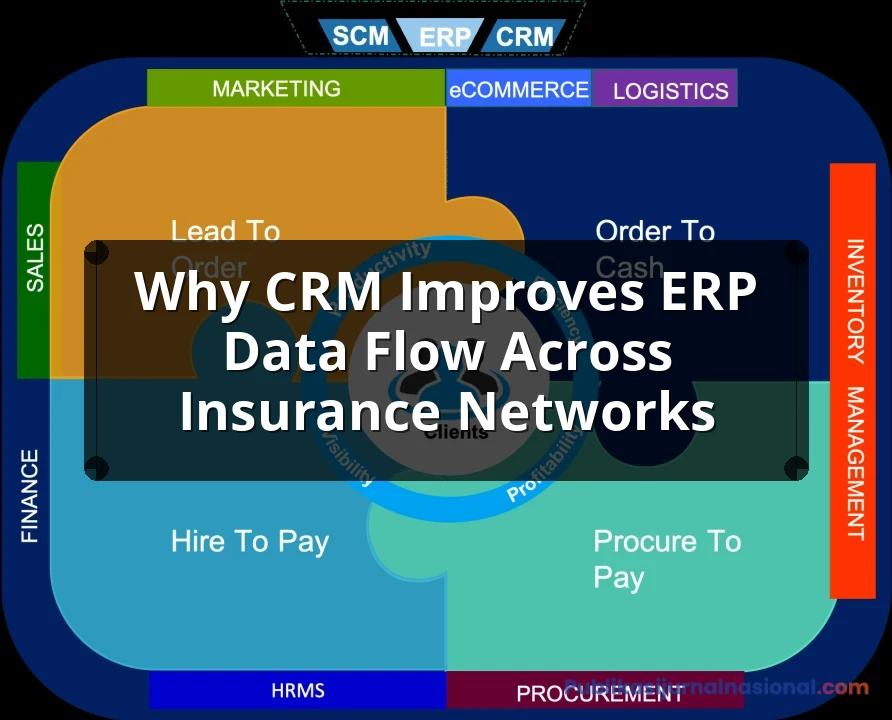
This article delves into the reasons why CRM significantly improves ERP data flow across insurance networks. We will explore the specific benefits, features, and details of this integration, highlighting how it can transform your insurance business and help you stay ahead in a competitive market. We’ll also cover practical examples and address common challenges, providing a comprehensive guide to leveraging CRM and ERP for optimal data management and business performance. We will explore this, considering How To CRM Build ERP Strategy For High-Value for optimal results.
Understanding the Roles of ERP and CRM in Insurance
Before diving into the integration benefits, it’s crucial to understand the distinct roles of ERP and CRM systems within an insurance network. While both aim to improve efficiency and data management, they focus on different aspects of the business.
ERP: The Backbone of Operational Efficiency
ERP systems are designed to manage the core operational processes of an insurance company. This includes:
- Policy Management: Managing policy creation, renewal, and cancellation.
- Claims Processing: Handling claims submission, assessment, and settlement.
- Financial Management: Managing accounting, budgeting, and financial reporting.
- Regulatory Compliance: Ensuring adherence to industry regulations and reporting requirements.
- Underwriting: Assessing risk and determining premiums.
ERP systems provide a centralized platform for managing these processes, improving efficiency and reducing errors. They focus on streamlining internal operations and ensuring data accuracy.
CRM: The Customer-Centric Hub
CRM systems, on the other hand, focus on managing customer relationships and interactions. This includes:
- Lead Management: Tracking and managing potential customers.
- Sales Management: Tracking sales activities and managing sales pipelines.
- Customer Service: Providing support and resolving customer issues.
- Marketing Automation: Automating marketing campaigns and tracking their effectiveness.
- Customer Segmentation: Grouping customers based on demographics, behavior, and other factors.
CRM systems provide a 360-degree view of each customer, enabling personalized interactions and improved customer satisfaction. They focus on building strong customer relationships and driving sales growth.
Why CRM Improves ERP Data Flow: Key Benefits
The integration of CRM and ERP systems offers significant benefits for insurance networks, particularly in improving data flow. Here are some key advantages:
Enhanced Customer Insights
Integrating CRM with ERP allows insurance companies to gain a more comprehensive understanding of their customers. CRM data, such as customer demographics, interaction history, and preferences, can be combined with ERP data, such as policy details, claims history, and payment information. This combined data provides a holistic view of each customer, enabling personalized interactions and targeted marketing campaigns.
For example, if a customer has recently filed a claim, the CRM system can automatically flag this information to the customer service team, allowing them to proactively address any concerns and provide personalized support. Similarly, if a customer is approaching their policy renewal date, the CRM system can trigger a personalized email campaign offering them a special discount or upgrade.
Streamlined Sales and Marketing Processes
CRM integration with ERP streamlines sales and marketing processes by providing sales teams with real-time access to customer information. Sales representatives can access policy details, claims history, and payment information directly from the CRM system, allowing them to tailor their sales pitches and provide accurate information to potential customers.
Furthermore, marketing teams can leverage the combined data to create targeted marketing campaigns that are more likely to resonate with customers. For example, they can segment customers based on their policy type, claims history, and demographics, and then create personalized email campaigns that address their specific needs and interests.
Improved Customer Service
By providing customer service representatives with access to a complete view of each customer, CRM integration with ERP significantly improves customer service. Representatives can quickly access policy details, claims history, and interaction history, allowing them to resolve customer issues more efficiently and effectively. This leads to increased customer satisfaction and loyalty.
Imagine a customer calling with a question about their claim. With integrated CRM and ERP, the customer service representative can instantly access the claim details, policy information, and previous interactions with the customer, providing a seamless and informed response.
Automated Data Entry and Reduced Errors
Integrating CRM with ERP automates data entry and reduces the risk of errors. When data is entered into one system, it is automatically synchronized with the other, eliminating the need for manual data entry. This saves time and reduces the likelihood of errors, ensuring data accuracy and consistency across the organization.
For example, when a new policy is created in the ERP system, the customer information is automatically updated in the CRM system. This eliminates the need for sales representatives to manually enter the customer information into the CRM system, saving them time and reducing the risk of errors.
Enhanced Reporting and Analytics
The integration of CRM and ERP provides enhanced reporting and analytics capabilities. By combining data from both systems, insurance companies can gain valuable insights into their business performance. They can track key metrics such as customer acquisition cost, customer lifetime value, and claims processing time, allowing them to identify areas for improvement and make data-driven decisions.
For example, they can analyze the correlation between marketing campaigns and sales performance, or identify the factors that contribute to customer churn. This information can be used to optimize marketing campaigns, improve customer service, and increase profitability.
Key Features of CRM–ERP Integration for Insurance
To effectively integrate CRM and ERP systems, insurance networks should look for specific features that facilitate seamless data flow and enhance business processes. Here are some key features to consider:
Real-Time Data Synchronization
Real-time data synchronization is crucial for ensuring that data is consistent and up-to-date across both systems. This feature automatically synchronizes data between CRM and ERP in real-time, eliminating the need for manual data entry and reducing the risk of errors.
Customizable Integration
The integration should be customizable to meet the specific needs of the insurance network. This allows companies to tailor the integration to their unique business processes and data requirements.
Workflow Automation
Workflow automation features can automate tasks such as lead assignment, policy renewal reminders, and claims follow-up. This improves efficiency and reduces the workload on employees.
Reporting and Analytics Dashboards
Reporting and analytics dashboards provide a visual representation of key performance indicators (KPIs), allowing insurance companies to track their business performance and identify areas for improvement. These dashboards should be customizable and provide real-time data.
Security and Compliance
The integration should be secure and compliant with industry regulations. This ensures that sensitive customer data is protected and that the insurance network is compliant with all relevant laws and regulations.
Implementing CRM–ERP Integration: Best Practices
Implementing CRM–ERP integration requires careful planning and execution. Here are some best practices to ensure a successful implementation:
Define Clear Objectives
Before starting the implementation, define clear objectives for the integration. What are you hoping to achieve? What specific business processes do you want to improve? Having clear objectives will help you stay focused and measure the success of the integration.
Choose the Right Integration Approach
There are several different approaches to CRM–ERP integration, including point-to-point integration, middleware integration, and cloud-based integration. Choose the approach that best meets your needs and budget.
Involve Key Stakeholders
Involve key stakeholders from all departments in the implementation process. This will ensure that the integration meets the needs of all users and that everyone is on board with the changes.
Provide Training and Support
Provide training and support to all users on the new integrated system. This will help them understand how to use the system effectively and address any issues that may arise.
Monitor and Evaluate
Monitor and evaluate the performance of the integrated system on an ongoing basis. This will help you identify areas for improvement and ensure that the integration is delivering the expected benefits.
Common Challenges and How to Overcome Them
While CRM–ERP integration offers numerous benefits, insurance networks may encounter certain challenges during the implementation process. Here are some common challenges and strategies to overcome them:
Data Migration
Migrating data from existing systems to the integrated system can be a complex and time-consuming process. To overcome this challenge, plan the data migration carefully, clean and validate the data before migrating it, and use data migration tools to automate the process.
Integration Complexity
Integrating two complex systems like CRM and ERP can be challenging. To overcome this challenge, choose an integration approach that is appropriate for your needs and budget, and work with experienced integration consultants.
User Adoption
Getting users to adopt the new integrated system can be challenging. To overcome this challenge, provide training and support to all users, communicate the benefits of the integration, and involve users in the implementation process.
Maintaining Data Quality
Maintaining data quality after the integration is crucial. To overcome this challenge, implement data governance policies and procedures, and regularly monitor data quality.
Conclusion: Transforming Insurance Networks with CRM–ERP Integration
In conclusion, CRM integration with ERP is a powerful tool for transforming insurance networks. By improving data flow, streamlining processes, and enhancing customer insights, this integration can help insurance companies improve efficiency, increase sales, and enhance customer satisfaction. While the implementation process may present certain challenges, by following best practices and addressing potential issues proactively, insurance networks can successfully integrate CRM and ERP systems and reap the numerous benefits of this powerful combination. The key is to remember that the goal is not just to integrate systems, but to integrate processes and create a truly customer-centric organization.
Frequently Asked Questions (FAQ) about Why CRM Improves ERP Data Flow Across Insurance Networks
How does CRM help ERP in insurance?
CRM enhances ERP data flow by centralizing customer and policy information. This integrated view allows for better data accuracy and informed decision-making across sales, service, and back-office functions within the insurance network.
Why is CRM integration important for insurance data?
CRM integration is vital for insurance data to avoid data silos. It provides a single source of truth, ensuring consistent and accurate information is shared between CRM (customer-facing) and ERP (back-end operations) systems.
What are the benefits of CRM & ERP for insurance?
Integrated CRM and ERP systems improve customer service and operational efficiency. Benefits include streamlined policy management, faster claims processing, and enhanced reporting capabilities across the insurance network.