The digital insurance landscape is evolving at breakneck speed. Gone are the days of relying solely on traditional brokers and paper-based processes. Today, customers demand instant access, personalized experiences, and seamless interactions across all channels. To thrive in this dynamic environment, insurance companies must embrace digital transformation, and at the heart of this transformation lies the strategic integration of Customer Relationship Management (CRM) and Enterprise Resource Planning (ERP) systems. But simply implementing these systems isn’t enough; you need a well-defined strategy to scale them effectively and maximize profitability.
This article delves into the top secrets to successfully scaling CRM and ERP systems to drive profit growth in the digital insurance market. We’ll explore the key features, functionalities, and best practices that will empower you to streamline operations, enhance customer engagement, and gain a competitive edge. We’ll also cover common pitfalls to avoid and offer practical advice based on real-world experience. Think of this as a roadmap – a guide to navigate the complexities of digital insurance and unlock the full potential of your CRM and ERP investments.
Whether you’re a seasoned insurance executive or just starting to explore the possibilities of digital transformation, this comprehensive guide will provide valuable insights and actionable strategies. We’ll break down complex concepts into easily digestible information, equipping you with the knowledge and tools you need to make informed decisions and achieve sustainable growth in the ever-changing world of digital insurance. Let’s dive in and uncover the secrets to CRM and ERP success!
Understanding the Interplay of CRM and ERP in Digital Insurance
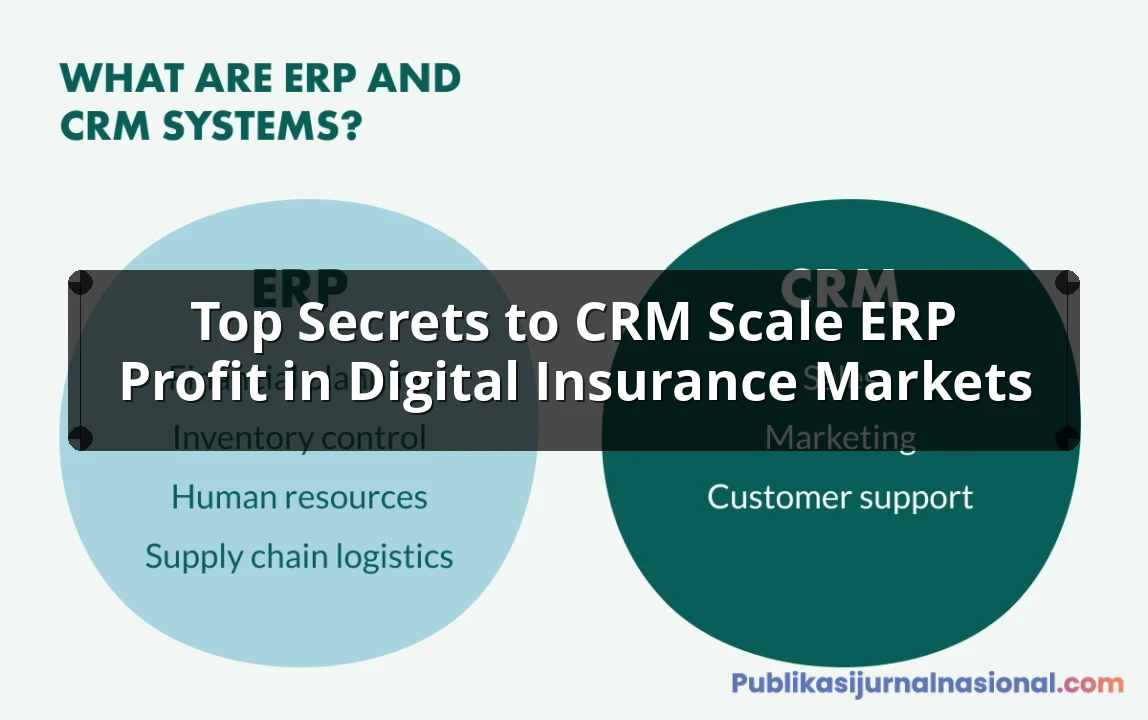
CRM and ERP systems, while distinct in their core functions, are intrinsically linked in the context of digital insurance. CRM focuses on managing customer interactions and relationships, while ERP handles the internal operational processes of the business. Integrating these two systems creates a unified view of the customer and enables seamless data flow across the organization.
The Role of CRM in Digital Insurance
In the digital insurance market, CRM systems are crucial for:
- Lead Generation and Management: Capturing and nurturing leads through various online channels.
- Policy Sales and Servicing: Streamlining the sales process and providing efficient policy management.
- Customer Relationship Building: Personalizing customer interactions and building long-term loyalty.
- Marketing Automation: Automating marketing campaigns and personalizing customer communications.
- Customer Service and Support: Providing efficient and responsive customer service across multiple channels.
A well-implemented CRM allows insurers to understand customer needs better, tailor their offerings, and provide exceptional service, leading to increased customer satisfaction and retention.
The Role of ERP in Digital Insurance
ERP systems in digital insurance play a vital role in:
- Policy Administration: Managing the entire policy lifecycle, from issuance to renewal.
- Claims Processing: Automating and streamlining the claims process, reducing processing time and costs.
- Financial Management: Managing financial data, reporting, and compliance.
- Risk Management: Assessing and mitigating risks associated with insurance policies.
- Regulatory Compliance: Ensuring compliance with industry regulations and reporting requirements.
By automating these core operational processes, ERP systems improve efficiency, reduce errors, and provide a clear picture of the company’s financial performance.
The Power of Integration: CRM + ERP
The real magic happens when CRM and ERP systems are integrated. This integration allows for:
- 360-Degree Customer View: Access to comprehensive customer data, including policy information, claims history, and interaction logs.
- Automated Workflows: Streamlined processes, such as automated policy renewals and claims processing.
- Improved Decision-Making: Data-driven insights that inform strategic decision-making.
- Enhanced Customer Experience: Personalized and efficient service across all touchpoints.
- Increased Operational Efficiency: Reduced manual effort and improved productivity.
For example, when a customer calls with a claim, the agent can immediately access their policy information, claims history, and previous interactions directly from the CRM, thanks to the ERP integration. This allows for faster and more efficient resolution of the customer’s issue.
Top Secrets to Scaling CRM and ERP for Profitability
Scaling CRM and ERP systems effectively requires a strategic approach that considers the specific needs of the digital insurance market. Here are some top secrets to maximize profitability:
1. Define Clear Business Objectives and KPIs
Before embarking on any CRM or ERP implementation, it’s crucial to define clear business objectives and Key Performance Indicators (KPIs). What are you hoping to achieve with these systems? Are you aiming to increase sales, improve customer retention, reduce claims processing time, or enhance regulatory compliance? Examples of relevant KPIs include:
- Customer Acquisition Cost (CAC)
- Customer Lifetime Value (CLTV)
- Policy Renewal Rate
- Claims Processing Time
- Customer Satisfaction Score (CSAT)
By setting measurable goals and tracking progress against these KPIs, you can ensure that your CRM and ERP investments are aligned with your overall business strategy.
2. Choose the Right CRM and ERP Solutions
Selecting the right CRM and ERP solutions is critical for success. Consider the following factors:
- Industry-Specific Functionality: Look for solutions that are specifically designed for the insurance industry and offer features such as policy administration, claims management, and regulatory compliance.
- Scalability: Choose systems that can scale as your business grows.
- Integration Capabilities: Ensure that the CRM and ERP systems can integrate seamlessly with each other and with other existing systems.
- User-Friendliness: Select systems that are easy to use and require minimal training.
- Vendor Reputation and Support: Choose reputable vendors with a proven track record and strong customer support.
Don’t be afraid to request demos and pilot programs to test the solutions before making a final decision. Also, consider cloud-based solutions, which often offer greater flexibility and scalability than on-premise systems.
3. Implement a Phased Approach
Implementing CRM and ERP systems can be complex and time-consuming. A phased approach can help to minimize disruption and ensure a smooth transition. Start with a pilot project in a specific department or business unit and gradually roll out the systems to the rest of the organization. This allows you to identify and address any issues early on and refine your implementation strategy.
4. Invest in Training and Change Management
The success of any CRM or ERP implementation depends on user adoption. Invest in comprehensive training programs to ensure that your employees are proficient in using the new systems. Also, implement a robust change management program to address any resistance to change and ensure that employees understand the benefits of the new systems. Communication is key – keep employees informed about the progress of the implementation and solicit their feedback.
5. Leverage Data Analytics and Reporting
CRM and ERP systems generate vast amounts of data. Leverage data analytics and reporting tools to gain insights into customer behavior, identify trends, and optimize business processes. Use this data to personalize marketing campaigns, improve customer service, and make data-driven decisions. For example, you can analyze claims data to identify areas where you can improve risk management and reduce claims costs.
6. Embrace Automation
Automation is key to streamlining operations and improving efficiency. Automate tasks such as policy renewals, claims processing, and customer communications. This frees up employees to focus on more strategic activities, such as building relationships with customers and developing new products and services. Consider using Robotic Process Automation (RPA) to automate repetitive tasks that don’t require human intervention.
7. Focus on Customer Experience
In the digital insurance market, customer experience is paramount. Use CRM and ERP systems to personalize customer interactions, provide efficient service, and build long-term loyalty. For example, you can use CRM to track customer preferences and tailor your communications accordingly. You can also use ERP to streamline the claims process and provide customers with real-time updates on the status of their claims.
8. Continuously Monitor and Optimize
CRM and ERP systems are not set-it-and-forget-it solutions. Continuously monitor their performance and optimize them to meet evolving business needs. Regularly review your KPIs and make adjustments to your implementation strategy as needed. Stay up-to-date on the latest features and functionalities of the systems and leverage them to improve your business processes.
Common Pitfalls to Avoid
Implementing CRM and ERP systems can be challenging. Here are some common pitfalls to avoid:
- Lack of Clear Objectives: Implementing systems without clear business objectives can lead to wasted time and resources.
- Poor Data Quality: Inaccurate or incomplete data can undermine the effectiveness of CRM and ERP systems.
- Insufficient Training: Inadequate training can lead to low user adoption and reduced productivity.
- Lack of Integration: Failure to integrate CRM and ERP systems can create data silos and hinder collaboration.
- Resistance to Change: Employees may resist adopting new systems if they don’t understand the benefits or if they are not properly trained.
Conclusion
Scaling CRM and ERP systems effectively is essential for success in the digital insurance market. By defining clear business objectives, choosing the right solutions, implementing a phased approach, investing in training, leveraging data analytics, embracing automation, focusing on customer experience, and continuously monitoring and optimizing your systems, you can unlock the full potential of your CRM and ERP investments and drive sustainable profit growth. Remember to avoid common pitfalls and continuously adapt your strategy to meet the ever-changing needs of the digital insurance landscape. The future of insurance is digital, and by mastering the art of CRM and ERP integration, you can position your company for long-term success.
Frequently Asked Questions (FAQ) about Top Secrets to CRM Scale ERP Profit in Digital Insurance Markets
How to improve CRM in digital insurance?
CRM improvement involves integrating data analytics for personalized customer experiences. Focus on automating workflows and using CRM to track customer interactions effectively. This drives customer satisfaction and retention, boosting sales in the digital insurance market.
How does ERP benefit insurance companies?
ERP systems streamline core insurance processes, such as claims management and policy administration. This automation reduces operational costs and improves efficiency. Integrated ERP data provides valuable insights for strategic decision-making, leading to increased profitability.
What drives profit in digital insurance?
Profit in digital insurance is driven by efficient operations and customer-centric strategies. Using CRM and ERP systems to improve customer engagement and streamline processes is key. Leveraging data analytics to personalize offerings and optimize pricing further enhances profitability.